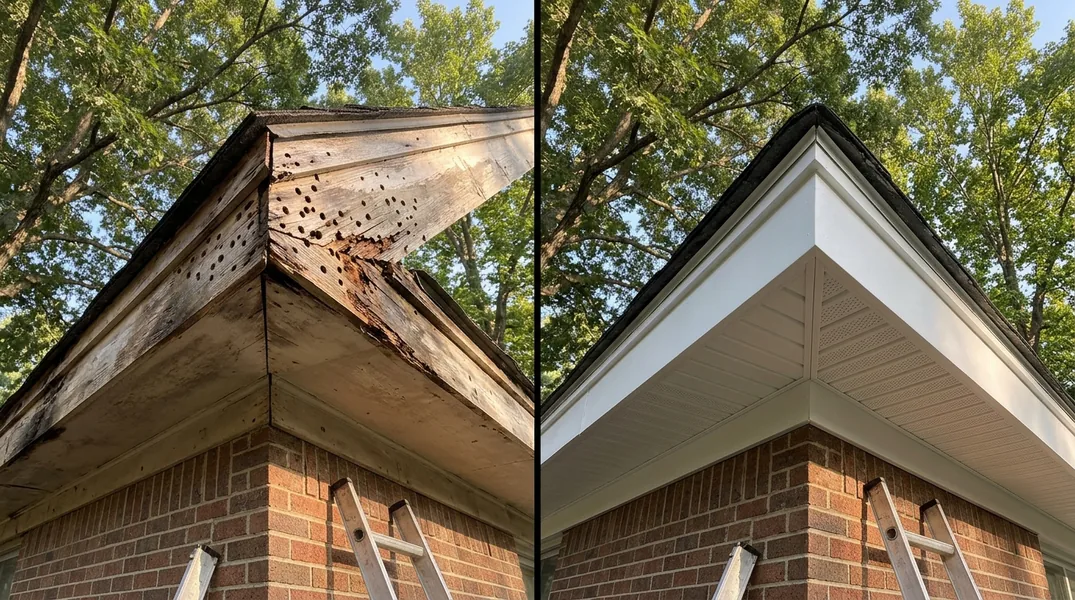
Why Historic Homes in Huntsville Demand Special Attention
Huntsville is home to some of Alabama's most cherished historic neighborhoods. The tree-lined streets of Twickenham and Five Points showcase beautiful craftsman bungalows and antebellum homes that have stood for over a century. These properties are architectural treasures, but they also come with unique maintenance challenges that modern homes simply don't face.
The older your home, the more vulnerable its wood framing and exterior become to the elements. Historic homes were built with different materials and construction methods than today's standards. The wood used in these structures, while often of higher quality than modern lumber, has had decades to absorb moisture, settle, and develop weaknesses. Wood Rot & Dry Rot Repair isn't just a cosmetic issue for these properties, it's a structural concern that can compromise the integrity of your entire home if left unaddressed.
Understanding the specific needs of your historic property is the first step toward preserving it for future generations. Whether you're dealing with original wood siding, vintage floor joists, or load-bearing beams, the approach to maintenance and repair must respect both the home's historical character and modern safety standards.
Common Wood Problems in Twickenham and Five Points Homes
The climate in north Alabama creates the perfect storm for wood deterioration. Our humid summers and freeze-thaw cycles in winter expose wood to constant moisture stress. When you combine this with aging caulk, compromised paint, and decades of accumulated wear, wood rot becomes almost inevitable in older homes. Dry rot, often called the silent destroyer, can progress invisibly inside walls and structural members before you even notice a problem.
Craftsman bungalows and antebellum homes in Huntsville frequently suffer from rot in similar locations. Soffit and fascia boards, where water collects and drainage fails, are common trouble spots. Wood siding, especially on the north and west-facing sides of homes, absorbs moisture and becomes susceptible to fungal growth. Foundation plates and rim joists, where wood meets masonry or soil, create moisture traps that invite decay. Even roof leaks that seemed minor at the time can lead to hidden rot in attic framing and wall cavities.
The challenge with historic homes is that problems often hide behind original materials and finishes. A beautiful old wood door frame might be rotting from the inside out. Ornamental wood trim that adds character to your home's exterior could be concealing serious structural decay. This is why regular inspection and prompt attention to early warning signs are essential for protecting your investment.
Wood Siding Repair: Preserving Your Home's Character
Original wood siding is one of the defining features of historic homes in Twickenham and Five Points. These hand-laid boards tell the story of your home's age and construction quality. However, wood siding is also your home's first line of defense against weather, and when it fails, the problems multiply quickly. Gaps in siding allow water to penetrate behind the boards, where it can rot the sheathing, damage insulation, and eventually compromise structural members.
Repairing wood siding on a historic home requires a delicate balance. You want to address the rot and prevent future damage while maintaining the authentic appearance that makes these neighborhoods special. This might mean carefully removing and replacing individual boards, matching the original profile and wood species, or strategically reinforcing weak sections. Paint failure is often the first sign that your siding needs attention. When paint begins to peel or blister, water is already finding its way into the wood. The longer you wait, the more extensive the damage becomes.
Some homeowners wonder whether they should simply replace old wood siding with modern vinyl or composite materials. While that's certainly an option, many residents of historic neighborhoods prefer to restore their original siding whenever possible. It preserves the home's character, maintains property values, and respects the architectural integrity of the community. If rot has made repair impossible, working with a carpenter who understands historic details ensures that replacement siding matches the original as closely as possible.
Structural Issues: When Rot Threatens Your Home's Bones
Beyond surface-level damage, wood rot can compromise the structural integrity of your historic home. Floor joists that have rotted lose their ability to support weight evenly, leading to sagging floors and cracked plaster. Floor Joist & Subfloor Repair becomes necessary when decay reaches these critical members. Similarly, Termite Damage Repair may be needed if insects have compounded the problem by tunneling through weakened wood.
Beams and load-bearing walls in older homes face particular risk because they're often the largest pieces of wood in the structure, and significant rot can develop undetected for years. A main beam that's lost 30 percent of its cross-section to decay may look acceptable from below, but it's no longer capable of safely supporting the load it was designed to carry. Beam Replacement & Load-Bearing Wall Removal is a serious undertaking that requires professional engineering and careful execution to prevent catastrophic failure.
If you notice sagging floors, doors that won't close properly, or cracks in plaster walls, these are warning signs that structural decay may be present. Don't wait to investigate. A professional inspection can identify problems before they become emergencies, and early intervention is always less expensive and disruptive than dealing with major structural failure.
Prevention: The Best Strategy for Long-Term Protection
Maintaining a historic home is ultimately about prevention. The money and effort you invest in keeping your home dry and well-maintained will pay dividends in avoided repairs down the road. Start with the basics: ensure your gutters and downspouts are clean and functioning properly. Water should flow away from your foundation, not collect around it. Check your roof regularly for missing or damaged shingles, and address leaks immediately. Maintain caulk and weatherstripping around windows and doors. These simple steps prevent the moisture intrusion that leads to rot.
Paint and stain protect wood from UV damage and moisture penetration, so maintaining your exterior finish is crucial. This doesn't necessarily mean painting every year, but you should inspect your home's exterior annually and touch up areas where the finish has failed. Keep vegetation trimmed away from your siding to improve air circulation and reduce moisture buildup. Ensure that crawl spaces and attics have adequate ventilation to prevent humidity from accumulating in these critical areas.
Beyond routine maintenance, consider having a professional inspection every few years. A carpenter with experience in historic homes can spot early signs of decay that an untrained eye might miss. Catching rot in its early stages, when only surface wood is affected, is far less costly than discovering advanced decay that has spread through multiple structural members.
Getting Professional Help: Wood Rot & Dry Rot Repair Near Me
When you discover rot or suspect structural problems, the temptation might be to attempt repairs yourself. However, historic home carpentry requires specialized knowledge and skills. Matching materials, understanding traditional construction methods, and properly assessing structural damage are tasks best left to experienced professionals. Mistakes in repair work can actually accelerate decay or create new problems that are more expensive to fix later.
Huntsville Carpentry specializes in historic home repair and understands the specific challenges that Twickenham and Five Points homeowners face. Our team knows how to assess rot damage, determine what can be repaired versus what must be replaced, and execute work that preserves your home's character while ensuring structural safety. Whether you need minor wood siding repair or major structural restoration, we approach each project with the care and attention that your historic home deserves.
The pricing for wood rot repair varies depending on the extent of damage and the scope of work required. Rather than guessing at costs, it's best to have a professional evaluate your specific situation. Contact Huntsville Carpentry at (256) 203-8340 or request a free estimate today. We'll assess your home's condition, explain what needs attention, and provide honest recommendations for protecting your investment. Your historic home has survived generations, and with proper care, it will continue to stand for many more.
Looking for a professional carpentry contractor in Huntsville? Huntsville Carpentry responds fast for all your carpentry needs.
Get a Free QuoteOur services: Wood Rot & Dry Rot Repair · Termite Damage Repair · Floor Joist & Subfloor Repair