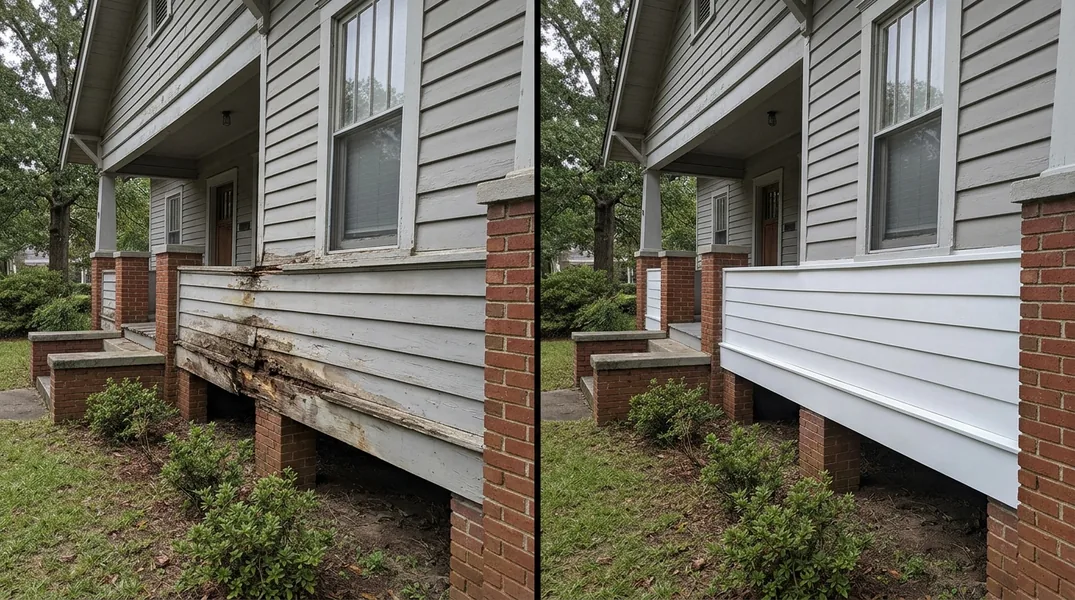
Understanding the Difference: Termite Damage vs Wood Rot
If you own a home in Huntsville, you've likely heard warnings about both termites and wood rot. While both can cause serious structural damage to your property, they are fundamentally different problems that require different solutions. Understanding the distinction is the first step toward protecting your home and addressing damage before it becomes catastrophic.
Wood rot is a fungal disease that thrives in damp, poorly ventilated environments. It breaks down the cellulose in wood fibers, essentially causing the wood to decay from within. Termites, on the other hand, are insects that actively consume wood as a food source. They tunnel through timber, leaving behind galleries and hollow spaces. Though both can compromise your home's structural integrity, the treatment approaches and prevention strategies differ significantly. Misidentifying the problem could lead to ineffective repairs and continued damage, which is why it's critical to know what you're looking at.
Signs of Termite Damage: What to Look For
Termite damage often reveals itself through telltale visual and tactile clues that experienced homeowners and professionals learn to recognize. One of the most common indicators is the presence of mud tubes. Subterranean termites, which are prevalent in the Huntsville area, build protective mud tubes from the ground up along foundation walls and wooden supports. These tubes allow termites to travel safely while maintaining moisture levels. If you spot pencil-thin brown tubes on your basement walls, crawl space, or exterior foundation, termites are likely at work.
Another hallmark of termite infestation is wood that sounds hollow when tapped. Termites create extensive tunnel networks inside wood beams, joists, and studs, leaving just a paper-thin outer shell. You might also notice wood that appears blistered or has a layered appearance, as if it's been laminated. Swarmers (winged termites) are another sign. If you see small, winged insects emerging from your woodwork in spring, especially around windows or light fixtures, you may have an active termite colony. Additionally, discarded wings, fecal pellets that resemble sawdust, or damaged window sills and door frames all point toward termite activity. If you suspect Termite Damage Repair is needed, it's important to act quickly.
What Does Dry Rot Look Like? Identifying Wood Rot Damage
Wood rot, particularly dry rot, presents a distinctly different appearance than termite damage. Dry rot causes wood to become brittle, darkened, and often takes on a cracked or cubical appearance. The wood literally shrinks and loses its structural integrity as the fungus consumes the cellulose. When you press on rotted wood with a screwdriver or awl, it will often crumble or splinter rather than resist the pressure. The affected area may feel soft, spongy, or powdery depending on the stage of decay.
Color is another distinguishing factor. Dry rot typically manifests as dark brown or black discoloration, sometimes with orange or tan edges where the rot is actively spreading. Unlike termite galleries, which are clean and orderly, wood rot damage appears more diffuse and less organized. You might also notice a musty smell, which indicates the presence of moisture and fungal activity. Wet rot, the other common form, produces wood that is softer and darker, often with a wet or slimy appearance. Both types of rot thrive in damp conditions, which is why proper drainage, ventilation, and moisture control are essential preventive measures. If you're uncertain whether your home has dry rot or another form of wood damage, Wood Rot & Dry Rot Repair professionals can provide a thorough inspection and diagnosis.
Where Damage Typically Occurs in Huntsville Homes
Both termites and wood rot tend to target specific areas of a home, and knowing where to look can help you catch problems early. Termites gravitate toward wood that contacts soil or is near moisture. This includes foundation sills, floor joists, basement beams, and wooden posts in crawl spaces. They also attack window frames, door frames, and any exterior wood that isn't properly treated or maintained. Because Huntsville experiences humid summers and occasional moisture issues, crawl spaces and basements are particularly vulnerable zones.
Wood rot, driven by moisture, tends to concentrate in areas prone to water intrusion or poor ventilation. Common problem areas include roof eaves, window sills, bathroom joists, kitchen cabinets near sinks, exterior trim, and any wood exposed to persistent dampness. If your home has poor grading, leaky gutters, or inadequate ventilation, wood rot risk increases substantially. Damaged Floor Joist & Subfloor Repair is often necessary in homes where moisture has accumulated over time. Regular inspections of these vulnerable zones, especially after heavy rains or seasonal humidity spikes, can catch early-stage damage before it becomes expensive to repair.
Why Professional Inspection and Repair Matters
While some homeowners attempt DIY repairs for minor wood damage, the structural implications of termite damage and wood rot make professional assessment and repair essential. A trained carpenter can not only identify which problem you're facing but also determine the full extent of damage, which is often hidden behind walls, under flooring, or within structural beams. Misdiagnosis or incomplete repairs can leave you vulnerable to recurring infestations or continued decay, ultimately costing far more than a professional evaluation upfront.
Professional carpenters also understand the structural code requirements for repairs. If termites or rot have compromised load-bearing elements like beams or joists, the repair must restore structural integrity to safe standards. This might involve Beam Replacement & Load-Bearing Wall Removal in severe cases. Beyond repair, professionals can recommend preventive measures such as moisture barriers, improved ventilation, treated lumber, or termite barriers that DIY approaches often overlook. Huntsville Carpentry has the expertise to handle both immediate repairs and long-term protection strategies tailored to your home's specific vulnerabilities.
Next Steps: Getting a Professional Assessment Near You
If you've noticed any of the warning signs discussed in this article, the best course of action is to schedule a professional inspection. Don't wait for damage to worsen or spread to other parts of your home. Early intervention can save you thousands in repair costs and preserve your home's structural soundness. Huntsville Carpentry offers comprehensive inspections and detailed repair plans for both termite damage and wood rot issues affecting homes throughout the area.
Reach out to Huntsville Carpentry today at (256) 203-8340 or submit a free estimate request online. Our team will assess your wood damage, explain what you're dealing with, and provide transparent pricing for the repairs your home needs. Whether your home requires wood rot remediation, structural beam work, or termite damage restoration, we have the skills and experience to restore your home to safe, sound condition. Don't let wood damage compromise your investment. Contact us today and let's get your Huntsville home protected.
Looking for a professional carpentry contractor in Huntsville? Huntsville Carpentry responds fast for all your carpentry needs.
Get a Free QuoteOur services: Wood Rot & Dry Rot Repair · Termite Damage Repair · Floor Joist & Subfloor Repair